Alibaba is not the market: where real suppliers hide
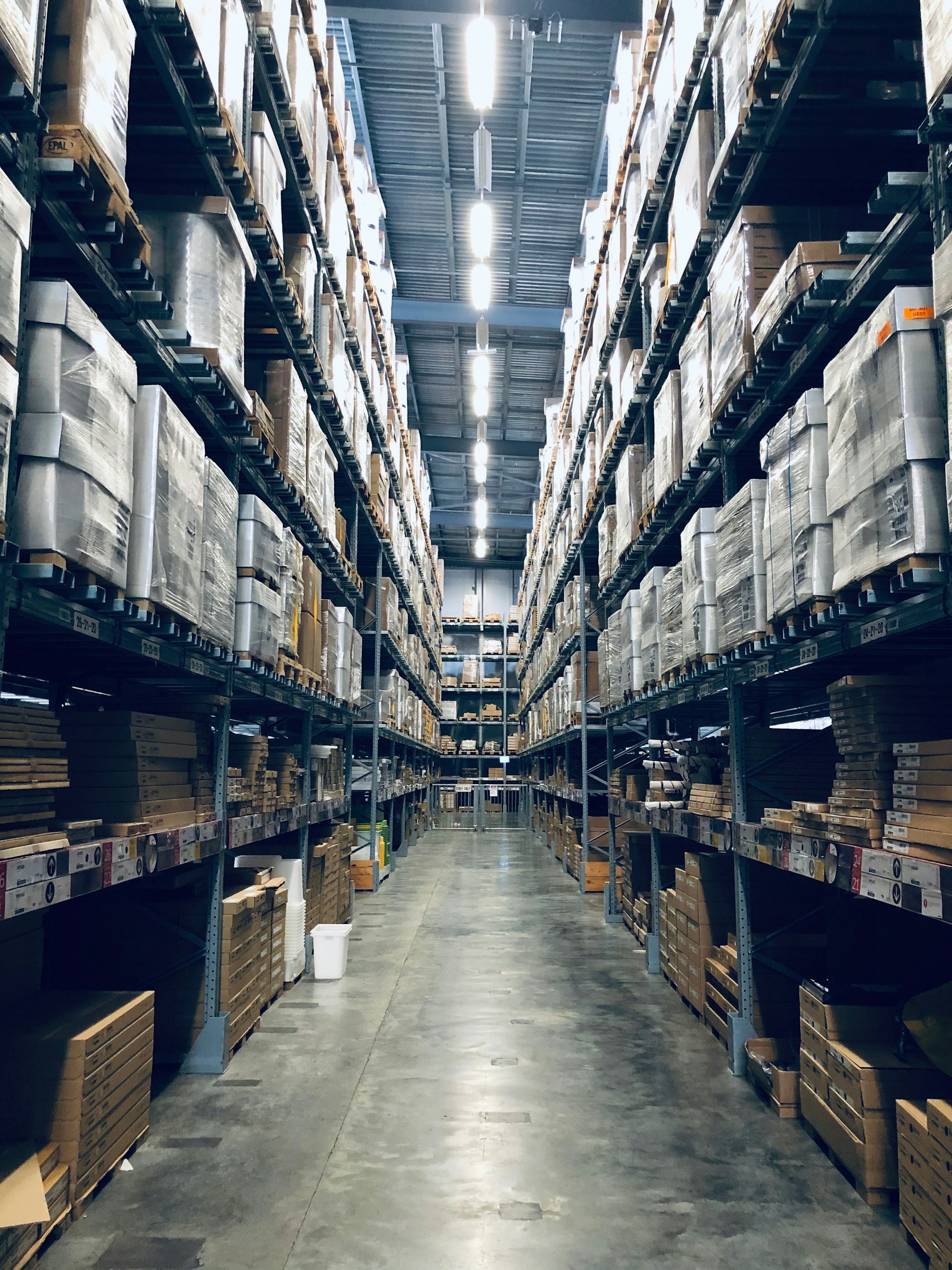
Type your product into Alibaba and you will see thousands of suppliers. It feels like the whole market. It is not. What you are seeing is the set of companies that pay to be visible to foreign buyers — ranked by advertising spend, not by fit for your project. The platforms are starting points. They are not the full map.
What the platforms actually show you
Listing on international B2B platforms costs real money — membership fees, keyword advertising, ranking campaigns. The companies that invest in this are, by definition, companies whose business model is exporting to buyers who search in English. Often that means trading companies with strong marketing and thin technical depth, or factories whose export desk marks up what the domestic market pays.
None of this makes platform suppliers bad. It makes them a sample — pre-filtered by marketing budget, not by capability. For standard products at small volumes, that sample may be fine. For equipment, custom production, or price-sensitive volume, it usually is not.
Where the rest of the market lives
The suppliers foreign buyers never see are visible from inside China:
- Domestic platforms — 1688 and industry-specific Chinese marketplaces, where factories sell at domestic prices in Chinese, to buyers who can verify them.
- Industry networks — the supplier your current supplier buys from. Component makers, mold shops, OEM factories that never built an export sales team.
- Trade fairs — Canton Fair and the specialized shows where you meet the engineer, not the listing.
- Existing factory relationships — seven years of projects leaves a map of who actually delivers, who subcontracts, and who to call for what.
- Direct market research — for specialized products, simply going where that industry clusters and knocking on doors. Every product in China has a hometown.
The objective is to find the credible cheapest option — not the cheapest mistake.
The factory-or-trader question
On the platforms, everyone is a "manufacturer." In reality, a large share of listings are trading companies presenting a partner factory as their own. Sometimes a good trader is exactly what a project needs — small orders across many products, one consolidated shipment, one point of contact. But you should know which one you are dealing with and price accordingly, because a trader's margin sits between you and the factory's real price.
The registered business scope, the factory address, and a live video walk-through answer the question in a day. Guessing answers it after the deposit.
What multi-channel sourcing looks like in practice
- Define the requirement first. A precise specification filters the market better than any platform ranking.
- Search wide — international platforms, domestic Chinese channels, industry networks and fair contacts in parallel.
- Shortlist on capability, not response speed. The fastest replier is the best salesperson, not the best factory.
- Verify before quoting games begin — legal identity, factory reality, production capacity.
- Compare landed cost, not unit price — a domestic-channel factory at a better ex-works price can beat the platform's "cheapest" offer by a wide margin.
This is how Caerus sources: manufacturers, OEM/ODM partners, equipment producers and specialized factories — including domestic Chinese suppliers who are simply not visible to foreign buyers. The right supplier for your project might not know your language, might not advertise, and might never appear in your search results. That does not make them hard to work with. It makes them cheaper.
Searching beyond the platforms
Tell us what you need. 3–5 verified suppliers, typically within 48–72 hours.